
The Psychological Aspect of Luck
The sensation of feeling lucky in casinos is deeply rooted in psychology. The ambiance of a casino, filled with bright lights, sounds, and excitement, plays a significant role in influencing a person’s mental state. As individuals step into this vibrant environment, they often experience heightened emotions and a sense of anticipation. This exhilarating atmosphere can trigger a psychological phenomenon known as the “gambler’s fallacy,” where individuals mistakenly believe that past outcomes will influence future results. For those seeking the thrill of chance, the best online pokies provide an exciting avenue to test their luck during their next play.
Moreover, many individuals tend to associate luck with positive outcomes from previous experiences. For instance, winning even a small amount can reinforce the belief that luck plays a role in future games. This psychological reinforcement creates a cycle in which individuals continue to return to casinos in hopes of replicating past successes. Each small victory fosters a sense of confidence, making them feel increasingly lucky as they immerse themselves in the gambling environment, often overlooking the inherent risks involved.
Cognitive biases also operate within a casino setting, contributing significantly to this feeling of luck. Players frequently focus more on their wins and downplay their losses, leading to an inflated perception of their abilities and luck. This selective memory creates a narrative where individuals view themselves as luckier than they might actually be, enhancing their desire to gamble and increasing the likelihood of their return for another chance at fortune. This cycle of belief can be powerful, intertwining the emotional and psychological aspects of gambling.
The Role of Superstitions
Superstitions play a significant role in the gambling experience, influencing how individuals perceive luck in casinos. Many players carry lucky charms or perform specific rituals before placing their bets, believing these actions will somehow enhance their chances of winning. For instance, some might wear certain clothing items considered lucky, while others may follow unique routines when they sit at a slot machine or table. These behaviors stem from a deep-seated desire to exert control over unpredictable outcomes, as the nature of gambling is inherently uncertain.
The psychological attachment to these superstitions can lead to a stronger belief in luck. When a player wins after executing their ritual, it reinforces the notion that their actions directly influenced the outcome. This can create a powerful psychological effect, making them feel more inclined to attribute future wins to their superstitions. Consequently, this connection often leads to a cycle of repeated behaviors, further embedding those superstitions in their gambling experience and solidifying their belief in luck as a guiding force.
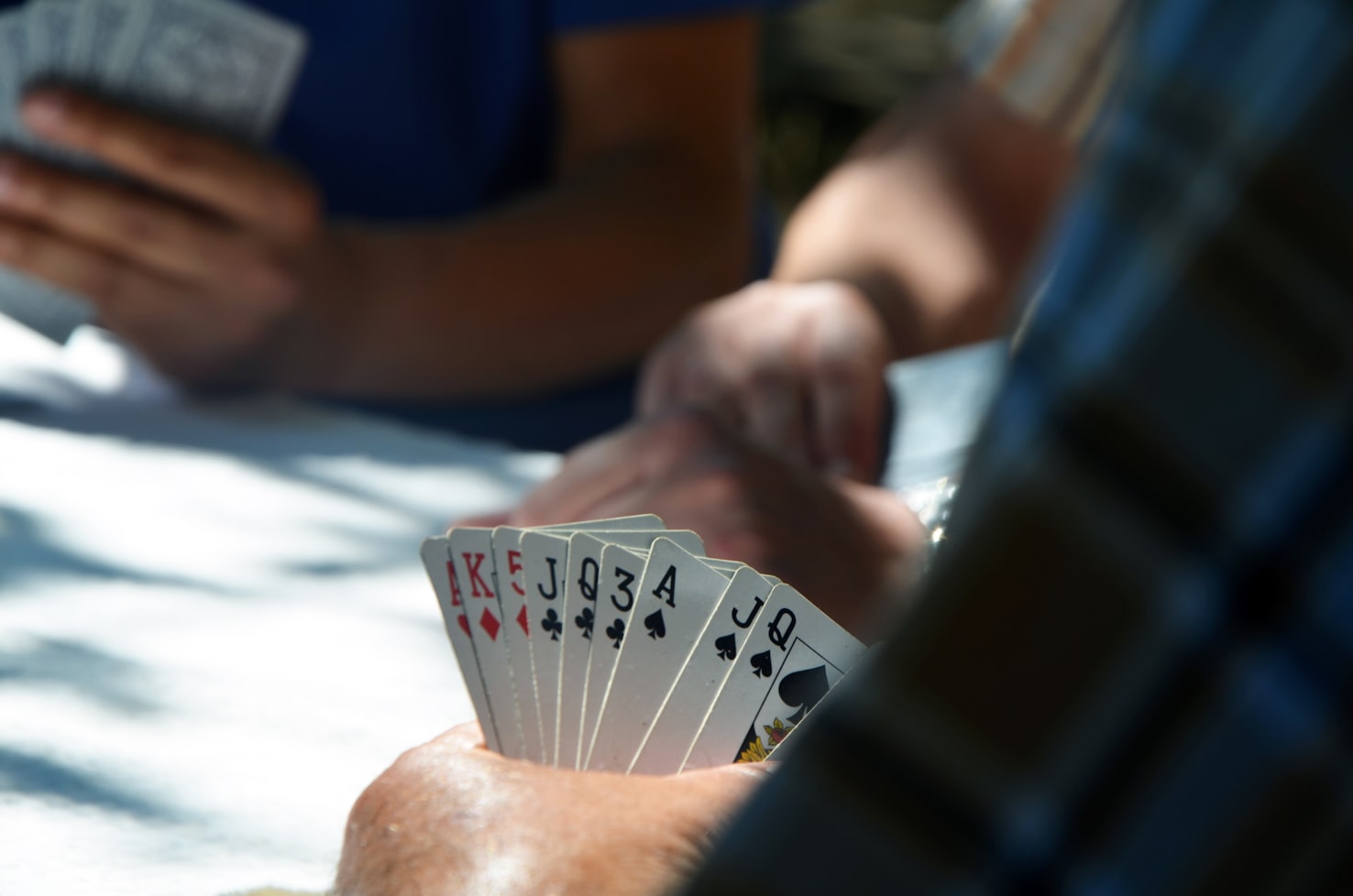
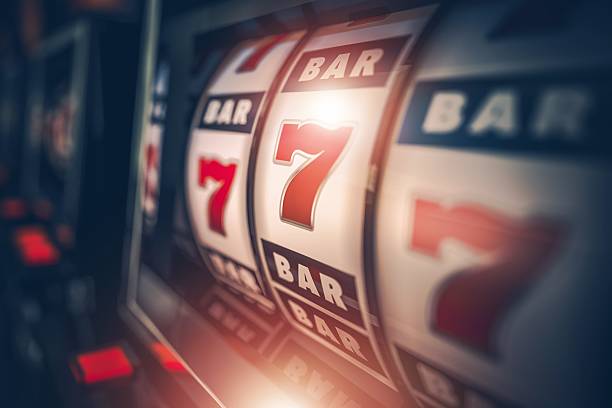
Furthermore, casinos themselves often promote superstitious beliefs through their design and marketing strategies. Many establishments incorporate symbols of luck, such as four-leaf clovers or lucky red colors, in their decorations and branding. By creating an environment that celebrates these beliefs, casinos reinforce the idea that luck is a tangible force within their walls. This ambiance makes patrons feel lucky merely by being present in such an environment, enhancing their overall experience and encouraging them to continue gambling.
The Influence of Social Interaction
Social interaction at casinos can significantly amplify feelings of luck among players. When individuals gamble in groups, they share experiences, emotive reactions, and collective hopes for winning. This camaraderie fosters a sense of community, where players encourage each other and celebrate wins together. The shared excitement creates a positive feedback loop, amplifying the feeling of being lucky as they feed off each other’s energy and enthusiasm, creating an atmosphere rich in shared aspirations.
Additionally, observing others win can instill hope within players, prompting them to believe that they too can achieve similar success. When a nearby player hits a jackpot, it not only benefits that individual but also radiates an aura of luck throughout the surrounding area. Witnessing these wins can provide a strong sense of motivation for others to continue playing, reinforcing the belief that fortune could be within reach. This phenomenon highlights the interconnectedness of players’ experiences, as one person’s success can uplift the spirits of those around them.
Moreover, many gamblers adopt a “we’re all in this together” mindset when participating in games like poker or blackjack. Players often share strategies or tips, which can build a feeling of partnership and collective luck. This environment can enhance the overall casino experience, making patrons believe that luck is not only a personal attribute but also a shared phenomenon within the gambling community. Such interactions can deepen the emotional investment in the games, further entwining social dynamics with the feeling of luck.
The Illusion of Control
One crucial factor contributing to the feeling of luck in casinos is the illusion of control. Many games, particularly those that involve strategy, such as poker, can lead players to believe they have some measure of influence over the outcome. Players often think that their decisions, from the cards they play to the bets they place, directly affect their chances of winning, which leads them to feel luckier as a result. This perception can create an empowering effect, where individuals feel active participants in their fate rather than mere spectators.
This illusion is further bolstered by the fact that players can analyze past rounds, use statistical strategies, and make calculated moves based on their understanding of the game. For instance, in poker, skilled players often utilize psychology and reading their opponents to gain an advantage. This sense of control can enhance their belief in personal luck, as they attribute wins to their strategies rather than mere chance. The more players engage with the game, the stronger this illusion can become, making them feel increasingly adept and confident.
However, it is essential to recognize that this sense of control is largely an illusion across most casino games, particularly those where outcomes are purely random, such as slot machines or roulette. Despite this, the perception of control can create a stronger belief in one’s luck, leading players to feel that they are on the verge of a significant win. This paradox can keep players engaged in the game, further challenging their understanding of luck and skill, and reinforcing the psychological allure of gambling.
Understanding the Casino Experience
Understanding the casino experience is key to grasping why many people feel lucky in these environments. The combination of sensory stimuli, social dynamics, and psychological factors creates a unique atmosphere that can enhance the perception of luck. Casinos are designed to keep players engaged, using rewards and incentives to create a thrilling atmosphere that embodies excitement and potential fortune. This deliberate design fosters a sense of immersion, where players can easily lose track of time and reality.
The strategic layout of gaming floors, bright colors, and enticing sounds all contribute to an engaging experience, making it easy to forget the risks involved. This sensory overload can lead to a more euphoric state of mind, where players feel luckier than they might outside the casino’s walls. The constant reminders of previous winners, the buzz of excitement, and the omnipresent hope of striking it big amplify this sensation, further embedding the notion of luck in the players’ psyche. The overall atmosphere is meticulously crafted to evoke feelings of optimism and possibility.
Ultimately, the shared belief in luck among patrons feeds into the overall casino culture, creating an environment where feeling lucky becomes a fundamental part of the experience. By understanding these factors, individuals can better appreciate the complex interplay of psychology, sociology, and design that characterizes the exhilarating world of casinos. This awareness may not only enhance the enjoyment of the experience but also provide insight into the powerful forces at play in the pursuit of fortune.
